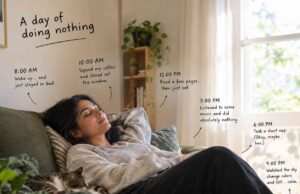

















When I first heard about minimalism, I thought I would have to give up things I enjoyed, like watching my favourite TV series or eating anything beyond simple food. I also thought it meant changing almost every part of my daily life, especially things that I liked doing. That made it feel more like a restriction than a choice of living. Over time, I realised minimalism is really about deciding what deserves your space, money, time, and attention. The Minimalists describe it as removing excess to make room for what matters, not giving up everything you love.
1. Minimalists Own Almost Nothing
I used to think minimalism meant getting rid of most of things I own. But when I started clearing things out, I realised I didn’t need to own less of everything. I just needed to stop keeping things I never used. My Family still need books, own toys, kitchen tools, and do things they enjoy. Start with one corner and see what you can let go of. You may find that a few unused items are taking up more space than you realised.
2. Your Home Must Look Bare and White
Minimalism doesn’t mean your home has to look empty or have white walls and very little furniture. I like the idea of keeping things simple that make a home feel warm and personal space, whether it’s family photographs, colourful decorations, or things we’ve collected over the years. There’s no need to get rid of something you love just because it doesn’t fit in your minimalist lifestyle. For me, a simple home is one that feels comfortable to live in, not one that looks perfect in photographs.
3. You Need a Tiny House
I don’t think you need a tiny house to live a minimalist life. For me, what matters more is how we use the space we already have. Even a small home can feel cluttered and messed up when things have no proper place, while a larger home can be easy to manage. I would rather make my existing space work better than move somewhere smaller just for the sake of minimalism. Keeping everyday things where they are easy to find and letting go of items I no longer use makes much more sense to me.
4. You Must Declutter Everything at Once
I used to think decluttering meant cleaning the whole house and getting rid of everything I don’t need anymore. But trying to do too much at once can quickly become tiring. I prefer to take one small area at a time and finish it before moving on to the next.
Here are three decluttering tips I find useful:
- Start small: Pick one drawer, shelf, or cupboard instead of cleaning an entire room.
- Let go of things you don’t use: If something has been sitting unused for years and you don’t need it, consider passing it on to someone needy.
- Don’t bring clutter back: Before buying something new, check whether you already own something similar.
5. Minimalists Never Buy Anything
Minimalism doesn’t mean I have to stop shopping or feel ashamed about buying something I always wanted to buy. What has changed is how I decide what to buy and what not to. I now try to use what I already own before looking for something new, and I think twice about things that might end up sitting unused in a corner of my room. I also try to reuse items wherever possible instead of replacing them straight away. These small habits have helped me avoid unnecessary purchases.
6. You Have to Throw Away Sentimental Things
Some things are hard to let go of because they remind us of people, places, or moments we don’t want to forget. It could be an old book from childhood, gifts from family or loved ones, or photographs from special occasions. I don’t think you need to throw these things away just to practise minimalism. Keep what means something to you, but avoid keeping on to every little thing out of guilt. Your home can be less cluttered without losing the memories that matter to you.
7. Minimalism Is Only for People Without Children
Having children was the best thing that ever happened in my life, and I wouldn’t trade that joy for a perfect home, or silence. Of course, children have toys, books, clothes, and school supplies, but this mess is simply part of family life now. For me, the goal isn’t to keep everything tidy and perfect but to make our home easier to manage. Having a fixed place for toys and books, and teaching children to put things back after using them, can make a real difference. Minimalism with kids isn’t about having fewer things at any cost; it’s about making room for what your family enjoys without letting clutter take over.
8. It Is Only About Physical Clutter
I used to think decluttering was mostly about getting rid of my belongings in the house. But I’ve realised that the mess in my mind can be just as exhausting. When I have too many things to remember, unfinished tasks on my mind, or constant phone notifications , it’s harder to relax, even when the house is clean. I’ve started paying more attention to these things too, whether that is turning off unnecessary notifications, unsubscribing from emails I never read, or giving myself some quiet time without my phone. UCLA’s research on clutter in family homes explores how our homes and possessions can relate to stress. The American Psychological Association’s discussion of clutter and stress is also worth reading. For me, simple living isn’t just about having fewer things around; it’s about making everyday life feel less overwhelming, both at home and in my head.
9. Minimalism Guarantees Happiness
Clearing out your home can feel good, but it will not fix every problem in your life. I don’t think owning fewer things automatically makes someone happier, either. Research suggest a link between living simply and well-being. A systematic review of research on minimalism and well-being found generally positive connections, while a meta-analysis on materialism and personal well-being found that materialism was related to lower well-being. Of course, everyone’s experience is different. For me, minimalism makes more sense when it helps me focus on what matters more, rather than giving me another set of restrictions.
10. You Have to Be Perfectly Consistent
You may buy something you regret or let clutter build up during a busy month. That does not mean you have failed. Minimalism is about noticing and adjusting. When a system stops working, change it. The goal is not to own the fewest things; it is to make daily life easier to manage.
A Simple Way to Begin Minimalism
If you’re thinking of trying minimalism, start with something that’s been bothering you lately. It could be a drawer full of things you never use, phone notifications that keep interrupting you, or a commitment you no longer have time for. You don’t have to change everything at once. I’ve found that even small changes can make everyday life a little easier. Try one thing, see how it works for you, and take it from there. Minimalism should fit your life and help you enjoy it more, not give you another set of rules to worry about.
References & Sources
- The Minimalists — What Is Minimalism?
- American Psychological Association — Why Clutter Stresses Us Out, with Dn. Joseph Ferrari, PhD
- UCLA Newsroom — The Clutter Culture
- The Journal of Positive Psychology — Minimalism, voluntary simplicity, and well-being: A systematic review of the empirical literature
- PubMed — The relationship between materialism and personal well-being: A meta-analysis